
- All
- Product Name
- Product Keyword
- Product Model
- Product Summary
- Product Description
- Multi Field Search
Views: 0 Author: Site Editor Publish Time: 2026-08-24 Origin: Site


Stand-up paddleboarding offers an incredible way to explore the water. However, the environment exposes you to intense direct sunlight and aggressive water-reflected UV rays. Paddlers also perform thousands of repetitive shoulder rotations during a single session. Standard cotton shirts soak up water and immediately restrict your movement. Meanwhile, standard surf apparel can feel overly compressive and quickly trap body heat. This leaves paddleboarders searching for a better upper-body solution.
You need a garment designed specifically for these unique marine demands. The ideal solution balances certified UPF sun protection with true 4-way stretch for a frictionless paddle stroke. It must also feature breathable fabrics to prevent overheating under the midday sun. In this guide, you will learn exactly how to evaluate material blends and construction details. We will break down fit profiles and help you choose the best long-sleeve option for your personal paddling style.
UPF 50+ is mandatory: Look for fabrics that block 98% of UVA/UVB rays (and understand that UPF degrades over time with saltwater/chlorine exposure).
Mobility relies on material blend: A minimum of 10-15% elastane/spandex mixed with polyester or nylon is required for true 4-way stretch.
Long sleeves offer superior ROI: They eliminate the need for mid-session sunscreen reapplication on the arms and reduce sunscreen wash-off pollution.
Fit dictates function: "Compression" fit prevents fabric drag in the water, while "relaxed" fit (sun shirts) offers better airflow for casual paddling.
Paddleboarding forces you into a distinct elemental environment. You stand upright on a board, completely exposed to the elements. The water surface acts like a massive mirror. It reflects UV rays upward, hitting your skin from unexpected angles. Standard SPF sunscreens often fail in this environment. Sweat and occasional water splashes wash away chemical barriers. Physical UPF fabric provides the most reliable defense against this multidirectional UV exposure.
Beyond sun exposure, we must consider the bio-mechanics of stand-up paddleboarding. A proper paddle stroke involves a continuous cycle. You reach, catch the water, pull your body past the blade, and recover. This high-repetition cycle demands absolute shoulder freedom. Standard athletic shirts often feature bulky underarm seams. These seams rub against sensitive skin during the reach-and-pull phases. Poor underarm gusseting quickly leads to severe chafing.
Heat management also presents a major challenge. Many beginners ask if a long-sleeve top will make them hotter. Skepticism is completely understandable. However, premium synthetic fabrics excel at evaporative cooling. As you sweat, the moisture-wicking material pulls liquid away from your skin. Ocean breezes hit the damp fabric and rapidly cool your core. You stay cooler in a breathable long-sleeve top than you would baking under direct sunlight.
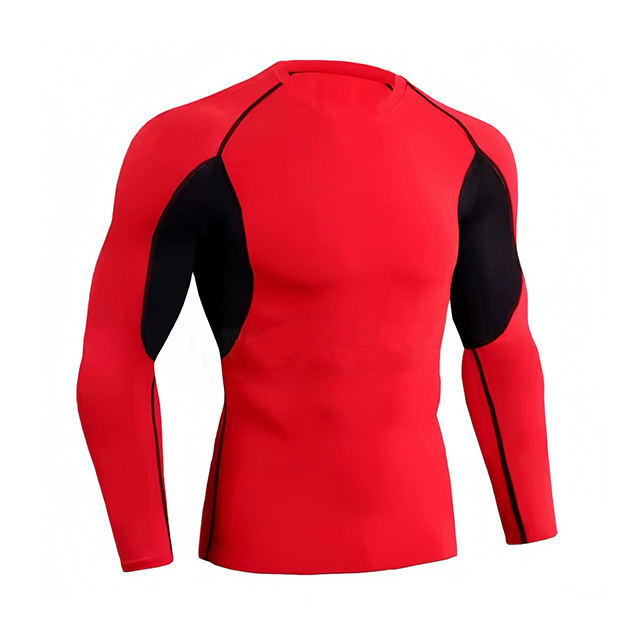
Not all water apparel delivers the same performance. You must evaluate several technical criteria before purchasing a top. Understanding these metrics ensures you get reliable sun protection and lasting comfort.
Consumers often confuse UPF with SPF. SPF (Sun Protection Factor) measures the effectiveness of liquid sunscreens. UPF (Ultraviolet Protection Factor) measures how much UV radiation penetrates a fabric. You should demand verifiable UPF 50+ certifications. A UPF 50 rating means the fabric blocks 98% of harmful rays. Avoid cheap, unrated fabrics. They stretch out when wet and allow dangerous UV rays to reach your skin.
Your paddleboarding mobility depends entirely on the fabric blend. Manufacturers typically use a combination of synthetic fibers and elastane (spandex). The base material is usually polyester or nylon.
Material Base | Primary Advantages | Primary Disadvantages | Best For |
|---|---|---|---|
Nylon | Softer texture, highly durable, excellent elasticity. | Absorbs slightly more water, can degrade faster in chlorine. | Casual touring, sensitive skin, ocean paddling. |
Polyester | Highly UV resistant, holds color well, superior chlorine resistance. | Slightly less soft against bare skin compared to nylon. | Frequent paddlers, racing, pool environments. |
Regardless of the base material, you must demand 4-way stretch. This ensures the fabric pulls horizontally and vertically. Look for a spandex or elastane ratio between 10% and 20%. Anything less will restrict your shoulders during the paddle stroke. A high-quality Rash Guard always incorporates sufficient elastane for absolute freedom of movement.
Seam construction separates premium apparel from cheap alternatives. Highlight the necessity of flatlock stitching. Flatlock machines sew the fabric edges flat against each other. This prevents raised internal ridges from irritating your skin during repetitive twisting motions.
You should also look for strategic seamless underarm panels. Many top-tier brands use raglan sleeves. A raglan sleeve extends in one piece fully to the collar, leaving a diagonal seam from underarm to collarbone. This entirely removes the traditional shoulder seam from your primary pivot point.
Many paddlers overlook boardshort connector loops. This small elastic loop sits at the bottom hem of the shirt. You tie your boardshort drawstrings through it. It prevents the shirt from riding up your torso when you stretch forward or fall into the water. This tiny feature dramatically improves your comfort on the board.
Choosing between sleeve lengths often confuses new paddlers. A short-sleeve top feels traditionally familiar. However, the specific demands of paddleboarding strongly favor long sleeves.
Compare the total surface area protection. A long-sleeve top protects your shoulders, biceps, elbows, forearms, and wrists. A short-sleeve top leaves the lower half of your arms entirely exposed. As you grip the paddle, your forearms point directly at the sun. Long sleeves eliminate this vulnerability entirely.
Consider the hidden costs and hassles of exposed skin. We call this the sunscreen tax. If you wear short sleeves, you must constantly reapply waterproof sunscreen to your arms and hands. Sweaty, greasy hands compromise your grip on the paddle shaft. Reapplying sunscreen every two hours interrupts your session. It also costs money and contributes to sunscreen wash-off pollution in delicate marine ecosystems. Full arm coverage solves all these problems.
Many people assume short sleeves automatically keep you cooler. This is a misconception in the marine environment. High-quality, lightweight long-sleeve tops actually lower your skin temperature. They physically block direct infrared heat from baking your skin. The moisture-wicking fabric pulls sweat away from your arms, triggering rapid evaporative cooling when the wind hits. Choosing a long-sleeve Rash Guard often results in a vastly more comfortable midday paddling experience.
Manufacturers design water apparel in different fit profiles. Your choice should align closely with how you use your paddleboard. Below are the three main solution categories you will encounter.
Best for: Surf SUP, aggressive racing, and sessions involving frequent water entry.
Pros: This fit offers zero drag in the water. It stays tight against your skin, providing mild muscle support and ensuring you glide smoothly if you fall in.
Cons: It can feel highly restrictive on land. The unforgiving body fit highlights every contour and can feel claustrophobic during casual outings.
Best for: Touring, casual flatwater paddling, and all-day beach wear.
Pros: These shirts look like standard athletic tees but feature UPF fabrics. They provide excellent high airflow. They remain incredibly comfortable for dry wear before and after your paddle. They are the ideal everyday Rash Guard for recreational paddlers.
Cons: Because they fit loosely, they become heavy and cause drag if you become fully submerged. They may also float up around your waist in the water.
Best for: Early morning sessions, shoulder-season paddling, and cooler coastal climates.
Pros: These tops feature a brushed micro-fleece or thin neoprene inner layer. They efficiently replace a bulky wetsuit top while maintaining great shoulder mobility.
Cons: They retain too much heat for midday summer paddling. Wearing one in hot weather leads to rapid overheating.
Finding the perfect top represents only half the battle. You must know how to size it correctly and care for the technical fabrics.
Sizing often frustrates buyers. Traditional surf brands design their apparel for hardcore surfers. Their sizes naturally run very tight. If you buy a traditional surf brand for casual paddleboarding, we strongly advise you to size up. A tight chest restricts deep breathing during strenuous paddling. Always measure your chest and shoulders, and consult the specific brand sizing charts.
Best Practice: Put the shirt on and mimic your paddle stroke. If the shoulders pull tightly or the hem rides up past your navel, you need a larger size.
Technical elastane fibers require gentle care. Saltwater crystals act like microscopic razor blades. If left in the fabric, they slice through spandex fibers as they dry. You must rinse your top with fresh cold water immediately after every use. A quick hose-down makes a massive difference.
Common Mistake: Never put technical water apparel in the dryer. High heat instantly destroys elastane. It melts the stretch fibers and drastically degrades the UPF ratings. Always hang your gear to dry in a shaded, well-ventilated area.
Set realistic expectations for your gear. Technical fabrics experience intense abuse from sun, salt, and stretching. A heavily used Rash Guard will naturally lose its snappy stretch over time. Its UV blocking efficacy also diminishes as the fibers thin out. Expect a lifespan of roughly 2 to 3 active seasons before requiring a replacement.
Protecting your skin on the water should never compromise your mobility. Navigating the market comes down to a simple shortlisting logic. If you prioritize speed, racing, or wave surfing, choose a compression fit to eliminate drag. If you prioritize casual comfort, touring, and cross-over beach wear, select a relaxed fit sun shirt.
Your next steps are straightforward. Grab a measuring tape and measure your chest and shoulders. Review specific brand sizing charts carefully, keeping the "size up for comfort" rule in mind. Finally, invest in a verified UPF 50+ long-sleeve option. Proper sun protection safeguards your long-term health and maximizes your time enjoying the water.
A: Yes. High-quality synthetic fabrics block direct infrared heat from baking your skin. They also excel at moisture-wicking. As you sweat, the fabric pulls moisture away from your body. When ocean breezes hit the damp fabric, it triggers rapid evaporative cooling, keeping your core temperature down.
A: They are designed to be worn directly over bare skin. Women typically wear a bikini top or a sports bra underneath. Men wear them bare-chested. You should strictly avoid wearing cotton underneath, as it holds water, causes chafing, and ruins the garment's cooling properties.
A: The primary difference involves the fit. Traditional rash guards fit very tightly against the skin to prevent chafing and eliminate drag during dynamic water sports. Swim shirts (or sun shirts) feature a relaxed, loose fit designed for casual swimming, touring, and lounging.
A: Standard summer versions offer minimal thermal insulation in cold water. They primarily protect against the sun and board abrasion. If you need warmth, you must look for specific thermal, fleece-lined, or thin neoprene hybrid options designed specifically for cold-water immersion.


