
- All
- Product Name
- Product Keyword
- Product Model
- Product Summary
- Product Description
- Multi Field Search
Views: 0 Author: Site Editor Publish Time: 2026-08-08 Origin: Site


Unprotected exposure during water or mat sports brings hidden dangers. You risk UV damage, severe chafing, and frustrating performance interruptions. Basic swimwear or standard cotton simply fails under these high-friction or prolonged exposure conditions. They stretch out, hold water, and leave your skin highly vulnerable. A purpose-built protective garment mitigates these specific risks effectively. However, selecting the wrong fit or fabric for your activity ruins the experience. Surfing demands different gear than Brazilian Jiu-Jitsu or casual swimming. The wrong choice leads to rapid material degradation or heavily restricted mobility. This article provides an evidence-based framework to evaluate these garments. We examine material composition, seam architecture, and specific use-case requirements. Buyers can use these insights to make a highly qualified purchasing decision.
Activity dictates architecture: Surfing and MMA require compression fits and flatlock seams; casual swimming allows for relaxed fits.
Fabric composition matters: Polyester offers superior chlorine and UV resistance, while nylon blends provide maximum elasticity and softer hand-feel.
UPF is non-negotiable: A credible rash guard must explicitly state a UPF 50+ rating; otherwise, it is simply a synthetic shirt.
Construction drives durability: Panel design, flatlock stitching, and grip hems determine whether the garment survives high-friction environments.
A Rash Guard is a close-fitting athletic shirt originally designed to protect wearers from board chafing and sun exposure. Surfers pioneered this garment to defend their skin against abrasive surfboard wax. Today, manufacturers have adapted it for cross-functional aquatic and land-based sports. We now see them dominating swimming pools, scuba boats, and martial arts mats.
Many consumers confuse these specialized garments with basic swimwear or everyday apparel. You must understand the structural differences to choose the right tool for your sport. Using the wrong top leads to heavy drag in the water or severe skin irritation on the mat. We can break down the major differentiators across three common shirt types.
Garment Feature Comparison Chart
Garment Type | Primary Function | Material Composition | Performance Limitations |
|---|---|---|---|
Standard T-Shirt | Casual land wear | 100% Cotton or basic blends | Retains water heavily. Loses shape instantly when wet. Offers minimal UV protection (typically UPF 5). Causes significant drag. |
Swim Shirt | Casual aquatic recreation | Loose polyester blends | Typically features a looser drape. Focuses primarily on basic UV protection. Lacks structural friction-resistance for active sports. |
Rash Guard | High-friction sports | High spandex/elastane content | Engineered for rigorous four-way stretch. Features reinforced seams for abrasion resistance. Possesses rapid-dry capabilities. |
A true performance piece relies on an engineered blend of synthetic fibers. It wraps the body tightly. This prevents excess fabric from catching on equipment or slowing you down in the water. True technical tops also undergo specific treatments to repel water quickly.
No single garment works perfectly for every environment. You must match the construction of the shirt to the demands of your primary activity. Buying a generic top often results in poor performance. We evaluate the core requirements across four distinct scenarios below.
Surfers and paddleboarders face unique environmental challenges. The primary pain point involves aggressive belly and chest chafing. This occurs when paddling repeatedly against a waxed surfboard deck. Additionally, hours spent sitting on a board expose the lower back to intense sun.
You need specific features to survive these sessions. A snug fit is absolutely mandatory. Loose fabric rolls up your torso during duck dives or wipeouts. Look for tops featuring boardshort tie-loops. These small elastic loops attach to your swimsuit laces, keeping the hem securely locked down. Furthermore, prioritize raglan sleeves. Unlike standard drop-shoulder cuts, raglan sleeves extend fully to the collar. This specific paneling provides the unrestricted shoulder mobility required for endless paddling.
Divers and snorkelers spend extensive time floating face-down. This posture creates a major pain point: prolonged back and neck exposure to direct UV rays. Tropical waters also hide microscopic jellyfish and sea lice. Finally, even warm water gradually drops your core body temperature over a long dive.
Your gear must act as a barrier. Required features include high-neck cuts to shield the vulnerable skin right below the hairline. Full-length sleeves are essential to block stinging marine life. If you tend to run cold, look for heavy-weight or fleece-lined thermal variants. These thicker options provide buoyancy-neutral warmth without the bulk of a full neoprene wetsuit.
Martial artists train in dry, indoor environments, but the friction is extreme. The primary pain points include severe mat burn on the elbows and shoulders. Grapplers also face bacterial infection risks, such as staph or ringworm, from shared mats. Opponent grips add another layer of complexity; loose clothing gives your opponent an unfair advantage.
Grappling requires specialized engineering. You need extreme compression to support muscles and deny opponents easy handles. Anti-microbial fabric treatments help neutralize harmful mat bacteria before they reach your skin. A silicone grip hem is critical here. This rubberized inner lining prevents the shirt from riding up into your armpits during scrambles. Finally, if you compete officially, you must select IBJJF-compliant color ranking tops that match your belt level.
Families and vacationers have simpler, but equally important, needs. The main pain points involve sunburn prevention and the sheer discomfort of wearing tight, restrictive wet clothing all day. Not everyone wants to wear a skin-tight compression top to a casual pool party.
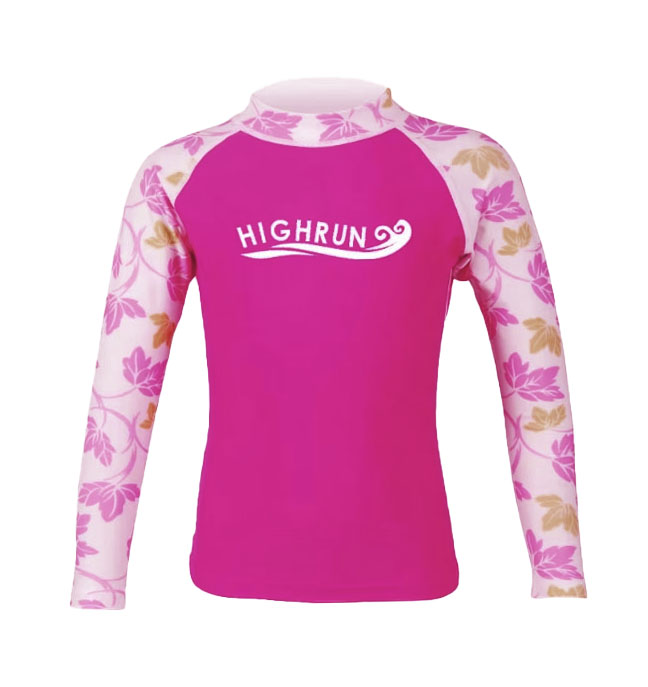
These users require relaxed-fit options. The fabric should drape comfortably over the body while maintaining high chlorine resistance. Pool chemicals destroy cheap fabrics quickly. For younger swimmers, a well-made Children's rash guard prioritizes vibrant colors for visibility and easy removal when wet. For adults, everyday comfort is key. A modern Women's rash guard often incorporates built-in shelf bras or specific torso contouring for a flattering, supportive fit. Similarly, a quality Men's rash guard designed for casual use often mimics the look of a premium athletic tee while secretly offering maximum UV defense.
Understanding what goes into the fabric helps you predict how it will perform. Manufacturers do not use standard cotton. They rely on advanced synthetic blends. You must evaluate these blends based on your specific needs. Let us examine the trade-offs.
Most tops utilize either a polyester or a nylon base, blended with an elastic fiber like spandex or elastane. Each base material behaves differently under stress.
Polyester/Elastane: This blend offers the highest overall durability. Polyester possesses naturally superior color retention. It fights off the bleaching effects of chlorine and harsh saltwater brilliantly. It absorbs less water than nylon. The trade-off is slightly less stretch. Choose polyester for maximum longevity in swimming pools.
Nylon/Spandex: This combination provides maximum four-way stretch. It feels noticeably softer and smoother against the skin. Many surfers prefer nylon because it flexes effortlessly. However, nylon degrades faster when exposed to highly chlorinated environments. It tends to pill more easily if rubbed against rough surfaces.
Sun protection is a primary buying motivator. You must understand how UPF (Ultraviolet Protection Factor) differs from SPF (Sun Protection Factor). SPF measures the effectiveness of chemical sunscreens applied directly to the skin. UPF measures the actual density of the fabric weave and the specific dyes used to block radiation.
A legitimate garment blocks 98% of harmful rays. However, wetness and stretching reduce UPF effectiveness over time. When cheap fabric stretches across your shoulders, the microscopic gaps in the weave open up. This allows UV light to penetrate directly to your skin. High-quality fiber density matters immensely. It ensures the weave remains tight even during extreme movement. Always look for an explicit UPF 50+ rating on the label.
The way a shirt is sewn together dictates its comfort level. Traditional apparel uses overlock seams, where the fabric edges fold inward and protrude against the skin. In high-friction sports, these protruding seams act like sandpaper.
Flatlock stitching is absolutely essential. This technique overlaps the two fabric panels and stitches them flat. It creates a smooth profile on both the inside and outside of the garment. Flatlock seams eliminate the chafing caused by repetitive motions. Additionally, seek out seamless underarms. Advanced paneling strategies remove seams entirely from high-friction pivot points like the armpits. This simple design tweak prevents painful rashes during extended paddling or swimming sessions.
Sizing is often the most confusing aspect of the buying process. You must decide between a skin-tight profile and a looser drape. Your decision dramatically impacts your performance and comfort.
A compression fit acts like a second skin. It is best for active water sports, diving under heavy waves, and all forms of grappling.
Pros:
Creates zero drag in the water, allowing you to swim faster.
Provides noticeable muscle support and reduces fatigue.
Stays firmly in place during explosive movements.
Risks:
Can be notoriously difficult to remove when completely soaked.
Highlights every body contour, which may feel uncomfortable for some casual users.
Can feel restrictive if sized improperly.
A relaxed fit offers breathing room. It is best for boating, casual swimming, and all-day beach wear where high performance is not the goal.
Pros:
Wears easily like a highly functional, everyday T-shirt.
Provides superior airflow out of the water, keeping you cooler on hot sand.
Easier to put on and take off in public changing areas.
Risks:
Rides up heavily in turbulent surf, exposing your stomach to the board.
Creates significant drag when swimming laps or fighting currents.
Folds and creases under a wetsuit, causing pressure points.
Technical apparel requires technical care. Even the most expensive garment will fail prematurely if you abuse it. You must understand how these materials age and what you can do to protect your investment.
Spandex fibers are delicate. They naturally break down over time. Heat, aggressive sunscreen chemicals, and prolonged exposure to salt and chlorine accelerate this degradation. You will eventually notice the fabric losing its "snap." Additionally, sand accumulation inside the microscopic weave is completely normal after a beach day. However, leaving abrasive sand embedded in the fibers causes rapid fabric pilling.
Follow strict care protocols to maximize the lifespan of your gear. Implement these steps immediately after every session.
Mandatory freshwater rinse: Flush the garment with cold, clean water immediately after use. Do not wait until you drive home. Rinse out the corrosive salt and pool chemicals at the beach showers.
Gentle hand washing: Use a mild detergent designed for delicates. Never use harsh bleach or fabric softeners, as they strip away the protective coatings.
Never machine dry: High heat literally destroys elastane. It melts the microscopic elastic filaments, permanently ruining the compression.
Drip dry in the shade: Hang the garment out of direct sunlight. Baking it in the sun weakens the structural integrity of the UPF treatment.
Selecting the right protective top requires intentional evaluation. The perfect choice is entirely dependent on your primary environment. Saltwater surfers, chlorine pool swimmers, and indoor grapplers all require vastly different engineering. A relaxed fit works beautifully for a family boat trip but fails miserably during a Brazilian Jiu-Jitsu tournament.
Assess your primary activity honestly. Verify the stated UPF rating and insist on flatlock seam construction. Always consult brand-specific sizing charts before purchasing. Remember, true compression gear fits inherently tighter than standard apparel. By matching the fabric blend and fit profile to your specific sport, you ensure maximum comfort, durability, and protection.
A: Yes, you generally wear a swimsuit top or bikini underneath. Most rash guards do not offer internal bust support unless they are specifically designed with a built-in shelf bra. They act as a protective outer layer rather than a supportive undergarment.
A: Standard synthetic tops do not insulate like thick neoprene wetsuits. They offer virtually no thermal protection in cold water. However, thermal or fleece-lined options do exist. These provide adequate warmth for slight temperature drops or breezy days on the boat.
A: Technically yes, but it is not optimal. BJJ tops lack specific chlorine-resistant treatments, meaning pool chemicals will degrade them quickly. Conversely, surf tops lack the heavy-duty silicone grip hems needed to keep the shirt down during intense mat grappling.


