
- All
- Product Name
- Product Keyword
- Product Model
- Product Summary
- Product Description
- Multi Field Search
Views: 0 Author: Site Editor Publish Time: 2026-06-17 Origin: Site


Water safety presents a stark reality for parents everywhere. Most drowning incidents are entirely preventable. A properly fitted, compliant personal flotation device (PFD) remains your primary line of defense. We frequently confuse recreational pool toys, like inflatable water wings, for verified life-saving equipment. Toys provide temporary fun in shallow water. However, they offer zero guaranteed buoyancy when emergencies suddenly strike. True safety requires structural reliability and rigorous testing.
We created this guide as a pragmatic, feature-by-feature evaluation framework. It helps parents confidently select a highly reliable, compliant Kids’Life Jacket. We will show you how to navigate confusing labels and recognize essential structural components. You will discover exactly how to balance stringent safety standards alongside everyday wearability. Let us secure your peace of mind before you head out to the water.
Certification is the baseline: Always verify U.S. Coast Guard (USCG) approval or equivalent local regulatory certification before evaluating other features.
Size by weight, not age: Kids’ life jackets are categorized strictly by weight capacity (Infant: 8–30 lbs, Child: 30–50 lbs, Youth: 50–90 lbs).
Fit dictates function: A life jacket must pass the "Touchdown Test" (lifting by the shoulders); buying a size up for "room to grow" creates a critical safety hazard.
Non-negotiable features vary by size: Toddler and infant jackets require specialized features like crotch straps, oversized headrests, and rescue grab handles.
We must establish a firm baseline before looking at colors or styles. A flotation device lacks value if it fails during an emergency. You should always verify regulatory certification first. Look for the U.S. Coast Guard (USCG) approval stamp on the inside label. Some regions use Transport Canada or CE marks instead. These regulatory stamps prove the gear underwent rigorous testing in controlled environments. Without this stamp, the vest legally acts as a mere pool toy. Toys offer unverified buoyancy. They cannot guarantee your child will stay afloat in turbulent water. They puncture easily and lose air rapidly.
Manufacturers recently updated how they label personal flotation devices. You might remember legacy classifications like Type II or Type III. The industry now uses a harmonized performance system. You will likely see a "Level 70" icon on modern labels. Level 70 indicates standard recreational use. These jackets perform exceptionally well in near-shore, calm waters. They offer excellent mobility for conscious swimmers. They do not replace heavy-duty offshore rescue gear. However, they provide ample protection for family boating, tubing, and casual swimming.
USCG-approved jackets represent a legal necessity, not merely a suggestion. Most jurisdictions mandate them for children on moving watercraft. Law enforcement officers actively patrol waterways. They will issue citations for strict non-compliance. More importantly, these laws exist to save lives. You must treat this requirement seriously. It is never just a personal safety preference. Always check local regulations before launching your boat. Requirements often change based on the child's weight and the vessel's overall size.
Feature | Pool Toys (Water Wings, Rings) | USCG-Approved Life Jackets |
|---|---|---|
Buoyancy Reliability | Unverified; relies on easily punctured air bladders. | Lab-tested; relies on closed-cell marine foam. |
Legal Status | Not recognized as life-saving equipment. | Legally compliant for watercraft usage. |
Self-Righting Ability | None. Promotes a dangerous vertical posture. | Designed to encourage a horizontal, face-up posture. |
Children possess vastly different physiological proportions compared to adults. A toddler carries a disproportionate amount of weight in their head. Their center of gravity sits higher. This physical reality requires different structural safety features as they grow. You must base your selection entirely on weight, never on age.
Infants lack the motor skills to keep their heads elevated above the waterline. They need specialized structural support to survive an unexpected plunge.
Oversized Head Support Collar: This collar acts as a critical fail-safe. It features dense foam designed to flip an unconscious child face-up. It cradles the neck and protects the airway.
Padded Crotch Strap: Water pushes buoyant foam upward instantly. The strap anchors the vest safely. It prevents the jacket from slipping over the child's head when fully submerged.
Rescue Grab Handle: You will find a reinforced loop attached behind the collar. This loop allows for rapid, secure retrieval during an emergency. You can pull the child out of the water quickly.
Children become highly active at this stage. They want to swim, jump, and explore. You must balance their desire for movement against rigid safety rules. A certified Kids’Life Jacket in this tier introduces new design elements to accommodate their energy.
Adjustable Crotch Strap: This component remains absolutely mandatory. It keeps the foam securely positioned around the torso. Active kids will jump into the water repeatedly, and the strap handles this impact safely.
Enhanced Mobility Cuts: Designers taper the foam around the arms and shoulders. This encourages a natural swimming motion. It achieves this mobility without sacrificing any required buoyancy.
Youth models look much like adult versions. They drop the crotch strap and bulky head collar. The wearer must possess basic swimming ability and water confidence.
Multi-Point Adjustment Straps: Look for a minimum of three horizontal straps. They secure the chest and waist firmly. These straps allow you to dial in a precise, snug fit.
Activity-Specific Design: Older children often participate in wake sports or paddlesports. You can find lower-profile foam configurations. These streamlined designs allow unrestricted paddling or skiing. They prevent the foam from interfering with athletic movements.
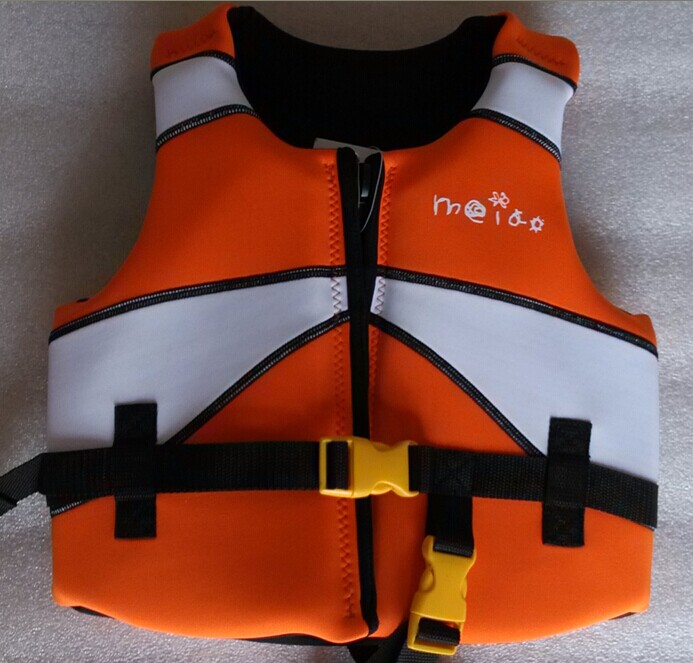
You must assess the physical build quality of any short-listed PFD. The right materials dictate both comfort and longevity. A well-built jacket withstands sun exposure, saltwater, and rough handling.
Color serves as a vital safety feature. It is not merely a fashion statement. You must advocate for neon colors like bright orange, fluorescent yellow, or vivid pink. These colors contrast sharply against the water environment.
Blues and greens camouflage the wearer in open lakes or ocean water.
Dark colors disappear completely in low-light conditions or overcast weather.
Bright neon colors help rescue teams spot a child instantly from a distance.
Manufacturers primarily use two materials for the outer shell. You must choose based on your primary water activity.
Material Type | Key Advantages | Best Use Cases |
|---|---|---|
Nylon | Extremely lightweight, dries very quickly, highly durable against tears. | General boating, calm lake swimming, hot weather environments. |
Neoprene | Provides a snug fit, excellent thermal retention, prevents skin chafing. | Active water sports, extended ocean swimming, cooler waters. |
Buckles and zippers endure immense stress. Look for corrosion-resistant YKK zippers. They resist jamming from coarse sand or corrosive salt. Inspect the buckles closely before buying. They should feature shatter-resistant Delrin or heavy-duty plastic. Flimsy hardware breaks easily under unexpected pressure. Furthermore, ensure the buckles are shielded. Pinch-proof designs prevent you from accidentally catching the child's skin during donning. A painful pinch can make a toddler refuse to wear their gear entirely.
We must address the primary point of failure in water safety. A high-quality piece of equipment fails entirely if it is worn incorrectly. Parents often succumb to the "room to grow" purchasing myth. They buy a larger size to save money next season. A loose fit creates a critical safety hazard. The foam will forcefully slide up over the face upon water impact. This blocks the airway and induces panic. You must test the fit correctly. Use the below method every time you head to the beach.
Secure and Tighten: When fitting a new Kids’Life Jacket, always fasten all zippers, clips, and crotch straps first. Tighten the straps from the bottom up. This anchors the waist securely before you adjust the chest area. Ensure all loose strap ends are tucked away safely.
The Lift Test (Touchdown): Ask the child to raise their arms high in the air. Tell them to pose like a football referee signaling a touchdown. Stand directly behind them. Gently but firmly lift the child upward by the shoulder straps.
Check Clearances: Observe how the equipment shifts during the lift. If the shoulder panels hit their chin or ears, it is too large or too loose. If they complain of restricted breathing, it is too small. The equipment should move naturally alongside the torso. It must never move independently of their body.
You must apply a highly skeptical lens when shopping. Retail shelves feature many products masquerading as premium safety gear. Knowing exactly what to avoid prevents dangerous mistakes on the water.
We must clarify a common point of confusion. Parents frequently buy arm-band and chest-strap hybrids. Some of these devices do carry a USCG approval stamp for very specific scenarios. However, they perform very differently from traditional vests. They do not offer substantial head support. They lack the self-righting capabilities necessary for an unconscious swimmer. They encourage a vertical, treading posture in the water. True survival gear promotes a horizontal, face-up posture to keep airways clear.
Comfort directly impacts safety compliance. A jacket that chafes the neck or restricts arm movement causes absolute misery. The child will constantly try to remove it. They will covertly unclip buckles when you look away. Prioritize soft interior fabrics and proper arm clearances. A comfortable child leaves their gear fully secured all day long.
You should strictly avoid buying used flotation devices. Garage sales and online marketplaces offer tempting discounts. However, hidden structural dangers exist. Foam degrades and compresses internally over time. Ultraviolet light weakens the exterior nylon stitching. Plastic buckles become dangerously brittle after prolonged sun exposure. These compromised elements are rarely visible to the naked eye. The device might look structurally sound but fail instantly upon water impact. Always invest in new, verified equipment.
You now possess a clear purchasing decision matrix. Always check the official weight limit first before looking at designs. Verify the USCG approval stamp on the interior label. Look closely for age-appropriate structural features. Toddlers demand crotch straps and oversized head collars. Older youths need multi-point adjustment systems for a customized fit. Finally, prioritize high-visibility neon colors to ensure rapid spotting in open water.
We strongly encourage buyers to test the gear thoroughly. Try it on your child well before heading to the water. Practice the Touchdown Test in your living room. Make sure they feel comfortable walking and sitting while wearing it. A calm, controlled trial run eliminates anxiety at the boat ramp. You secure their safety while ensuring they actually enjoy wearing their protective gear.
A: They do not have a strictly printed expiration date, but they absolutely degrade over time. Constant UV exposure weakens the outer fabric and stitching. Saltwater and chlorine slowly break down the internal foam. If the foam feels highly compressed, brittle, or waterlogged, it has lost its required buoyancy. You should inspect the gear annually and replace it immediately if you spot fading, tears, or degraded foam.
A: Always rinse the gear thoroughly with fresh water after every use. This removes corrosive salt, sand, and harsh pool chemicals. Hang it up to air dry completely in a well-ventilated area. Never dry it in direct, baking sunlight, as extreme heat destroys the foam's integrity. Avoid using bleach, heavy detergents, or washing machines. A simple sponge with mild soap works best for routine spot cleaning.
A: Yes, they can wear it in a pool, but you must be diligent about rinsing it afterward. Prolonged exposure to heavy chlorine accelerates the breakdown of both nylon and neoprene shells. It also deteriorates the internal flotation foam faster than natural freshwater. A quick fresh-water rinse immediately after swimming significantly extends the lifespan of the safety device.
A: You should test the larger size first, but apply a strict fit-test. Perform the Touchdown Test by firmly lifting the shoulder straps. If the foam pushes up into their chin or ears, it poses a severe drowning hazard. If it fails this test, you must default to the smaller size, provided they are still safely within the manufacturer's maximum upper weight limit.


