
- All
- Product Name
- Product Keyword
- Product Model
- Product Summary
- Product Description
- Multi Field Search
Views: 0 Author: Site Editor Publish Time: 2026-09-14 Origin: Site


Managing a commercial watercraft business requires much more than maintaining boats and docking facilities. It demands rigorous attention to dockside safety protocols. Equipment choices directly influence your daily operations. Safety gear is not merely a legal checkbox to satisfy local authorities. These items impact your baseline liability risk. They also affect daily overhead and the overall customer experience. Decision-makers must balance upfront costs against long-term durability. You also need rapid turnaround times between renters on busy weekends. Dock hands manage anxious tourists, handle wet gear, and rush to keep schedules intact. The right equipment simplifies their jobs immensely.
This article provides a standardized evaluation framework. It helps commercial operators select the proper gear for diverse activities. We will guide you through establishing a reliable procurement strategy. You will learn how to navigate legal compliance and pick the best materials. This knowledge ensures your fleet remains safe, efficient, and highly profitable season after season.
Compliance is Non-Negotiable: USCG-approved Type III vests are the baseline for most commercial rental operations; non-certified "comp vests" carry distinct liability risks.
Material Drives Turnaround: Investing in a quick dry life jacket fleet prevents bottlenecking during peak rental hours and mitigates mold/odor issues.
Durability Equals ROI: A durable foam life jacket with heavy-duty hardware lowers the annualized replacement rate compared to consumer-grade alternatives.
Supplier Capabilities Matter: Evaluating a fleet life vest supplier requires looking beyond unit price to assess inventory availability, bulk sizing scales, and potential for a custom life jacket program.
Federal and state regulations dictate commercial vessel requirements across the country. You must understand these rules deeply to operate legally. The United States Coast Guard (USCG) sets the baseline standards for all waters. Most inland rental fleets rely exclusively on Type III Personal Flotation Devices (PFDs). These specific devices serve kayaks, paddleboards, and wakeboats perfectly. Type III PFDs offer a balanced mix of buoyancy and user mobility. They keep conscious users afloat in calm, inland waters. Commercial clubs must stock USCG-approved gear universally. Marine inspectors look for verifiable compliance tags on every single vest. A missing or illegible tag renders the vest legally void.
Inspectors typically evaluate three core elements during a dockside audit:
Legibility of the USCG approval number printed on the interior label.
Absence of tears, rips, or illegal modifications to the original design.
Functional zippers and entirely uncracked plastic buckles.
The "comp vest" liability trap is a serious operational issue. Wakeboarding and water ski clubs face this challenge frequently. Advanced club members often prefer competition vests. These "comp vests" are thinner and highly flexible. They allow maximum range of motion for complex aerial tricks. However, they lack official USCG approval completely. They do not provide guaranteed buoyancy for unconscious users. This creates a massive liability gap for operators. You cannot issue non-certified gear to paying customers safely. If an accident occurs, unapproved vests expose your business to severe negligence claims. Fleet managers must prioritize verifiable Coast Guard Approved (CGA) gear above all else. You can still buy flexible CGA models today. They offer excellent mobility while maintaining baseline liability protection. This strict enforcement rule protects both your clients and your business.
Selecting a dependable rental life jacket requires analyzing specific construction details carefully. You must look past aesthetic appeal and focus on utility.
Material choices dictate your daily operational flow on the dock. Traditional nylon vests are highly affordable and very lightweight. However, they can chafe bare skin during prolonged paddling sessions. Neoprene offers superior comfort and a much snugger fit. Modern bio-lite materials provide similar neoprene comfort at a lower weight. Operators must consider drying speeds closely. Investing in a quick dry life jacket prevents severe bottlenecking. Peak rental days demand rapid gear reuse between morning and afternoon shifts. Customers despise wearing cold, soggy vests. Quick-drying fabrics also mitigate hazardous mold and foul dock odors. Maintenance realities dictate your purchasing strategy directly. A closed-cell durable foam life jacket resists waterlogging effectively over time. It also withstands UV degradation under intense summer sun exposure.
Vests typically fail at highly specific stress points. You must inspect zippers, buckles, and adjustable straps rigorously. Cheaper upfront vests often utilize thin, brittle plastic hardware. These flimsy buckles crack easily under heavy commercial use. Broken hardware immediately removes the vest from active service. This failure negates any initial purchase savings you achieved. Heavy-duty YKK zippers are absolutely mandatory for commercial fleets. Reinforced stitching around straps ensures long-term return on investment. You should pull aggressively on strap connection points during your evaluation. If stitches stretch visibly, the vest will fail mid-season.
Color selection serves as an active operational strategy. A high visibility life vest serves a crucial dual purpose. It allows dock staff to identify renters rapidly on crowded waters. Red, yellow, and high-vis green stand out against dark backgrounds instantly. Visibility also enhances physical safety for the renter. Other boaters can spot them easily if they fall in. Dark colors like black or navy blend directly into the water. This camouflage increases the risk of accidental vessel collisions. Bright colors keep your clients safe and highly visible.
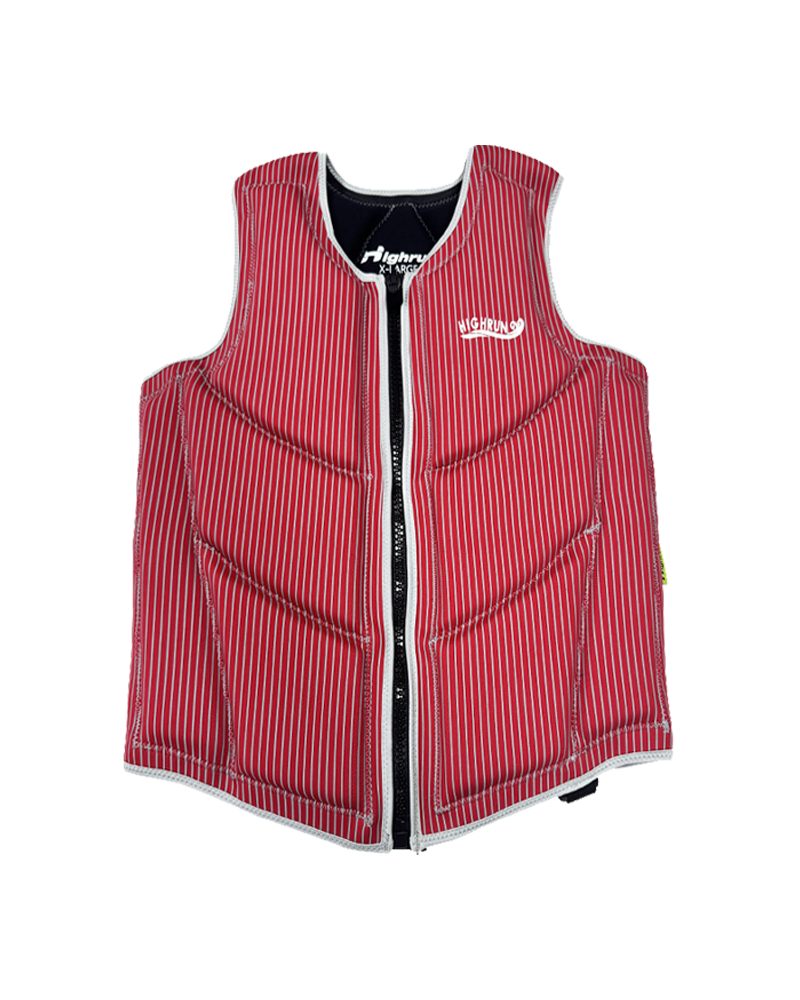
Sizing directly impacts dock efficiency and overall user safety. You must implement a clear, logical sizing strategy.
Walk-up rentals serve transient tourists and casual weekend paddlers. Universal fit vests work best for these specific demographics. You should focus heavily on multi-strap adjustability features. Three or four horizontal straps accommodate a wide weight range easily. A "Universal Adult" size fits most casual users quickly. Conversely, exact fit vests are entirely necessary for high-impact activities. Wakeboarding, jet skiing, and water skiing require highly snug gear. A loose vest poses a severe safety hazard upon water impact. It can push up violently around the user's neck or slide off entirely.
Your physical stock should reflect actual user demographics accurately. Do not buy equal amounts of every single size. You need a baseline framework for stocking various sizes. Fleets should skew heavy on Adult Large and Extra-Large sizes. These dimensions fit the vast majority of adult renters. You must also maintain strict compliance for Youth and Child weight classes. Kids require exact weight-rated vests enforced by federal law.
Dock staff must move quickly during busy summer shifts. Reading tiny, faded tags slows down the fitting process considerably. We recommend utilizing color-coded straps or visible binding. This visual strategy speeds up distribution significantly. A visual system eliminates sizing guesswork completely.
Table 1: Recommended Fleet Inventory Ratios and Color Coding
Size Category | Recommended Inventory % | Suggested Strap Color Code | Primary User Group |
|---|---|---|---|
Universal Adult (M/L) | 50% | Blue | Average adults, casual paddlers |
Oversize Adult (XL/XXL) | 20% | Red | Larger adults, heavy-duty rentals |
Youth (50-90 lbs) | 15% | Yellow | Adolescents, older children |
Child/Infant (Under 50 lbs) | 15% | Green | Toddlers, young children |
Different activities generate highly different risk profiles. You must match the gear to the specific rental activity. Proper water sports club safety gear prevents injuries and customer complaints.
Personal Watercraft (PWC) and wake sports involve very high speeds. Renters frequently hit the water hard during mistakes. These activities require vests boasting higher impact ratings. You need minimum 3-buckle closures for ultimate security. Zippers combined directly with buckles offer the best body retention. The fit must remain incredibly secure during intense maneuvers. This prevents the vest from tearing off during high-speed surface falls. Soft neoprene materials help prevent chafing during active movement.
Paddling requires repetitive, sustained upper body motion. Bulky vests restrict arm movement and frustrate users quickly. You should prioritize large arm-hole cutouts for these fleets. This generous clearance ensures comfortable paddling mobility all day. Many modern kayaks feature high, supportive seatbacks. Standard bulky vests ride up awkwardly against these rigid seats. You should stock vests featuring high or mesh backs. They sit comfortably above the kayak seat line. This small detail drastically improves the renter's physical experience.
Inflatable PFDs seem appealing due to their highly slim profile. However, commercial rental fleets should avoid them entirely. They introduce a massive, unsustainable maintenance burden. You must inspect and replace CO2 re-arming kits constantly. More importantly, inflatables lack any inherent buoyancy. If a panicked renter fails to pull the activation cord, they will sink. Auto-inflators trigger accidentally when splashed or stored in damp lockers. Foam vests provide guaranteed, passive flotation instantly. They require zero user interaction to function properly. Stick exclusively to foam designs for all commercial rentals.
Your supplier relationship remains a critical business asset. You need more than just a transactional vendor. You need a reliable partner to keep your operation running smoothly.
Assess the vendor's true production capacity thoroughly. Can they handle mid-season restocks efficiently? Rental businesses often face unexpected gear shortages in July. You cannot wait six weeks for simple replacements. The right fleet life vest supplier maintains deep, accessible inventory levels. They should ship bulk orders without extensive lead times. Ask about their warehousing capabilities before signing annual contracts.
Branded gear elevates your professional image immensely. Discuss the potential for a dedicated custom life jacket program. Excellent suppliers can add club logos to the back panels. They can print "Property of [Your Club]" prominently across the shoulders. This acts as a highly strong theft deterrent. Renters rarely steal clearly marked commercial gear. Custom colorways also reinforce your brand consistency everywhere. Your fleet will look cohesive and premium on the water.
Review standard commercial warranties very carefully. Consumer warranties often void immediately under heavy commercial use. Read the fine print before buying bulk pallets. Ensure the supplier explicitly covers life jackets for rental fleets. A true commercial warranty protects your capital investment. It guarantees free replacements for premature hardware failure. Evidence shows quality vendors stand behind their fleet products firmly. Demand transparent terms regarding stitching and buckle defects.
Managing a successful watercraft fleet demands proactive safety decisions daily. You cannot treat safety equipment as a secondary thought. Your gear dictates your liability exposure and your customer satisfaction levels. To optimize your operations, follow these actionable steps:
Audit current fleet failure rates to identify weak points in your existing inventory.
Define the primary activity risk by categorizing high-impact sports versus flatwater paddling.
Establish a core sizing ratio tailored specifically to your customer demographics.
Take action well before the busy season begins. Do not buy hundreds of vests blindly online. Request sample units from shortlisted suppliers immediately. Test their drying times on your own busy docks. Inspect the hardware durability firsthand before committing funds. Evaluate how the foam holds up to daily UV exposure. This hands-on testing guarantees you make the right operational choice. Smart procurement protects your customers and secures your bottom line.
A: Commercial fleets typically replace vests every two to three seasons. You must perform daily dockside inspections. Look for severe fading, which indicates UV damage. Check the foam for internal compression or permanent creasing. Ensure all strap integrity remains fully intact. Discard any vest with cracked buckles, ripped seams, or compromised buoyancy immediately.
A: Yes, the USCG classifies paddleboards strictly as vessels. Users must have a Coast Guard-approved life jacket accessible at all times. Local jurisdictions sometimes enforce stricter wear rules than federal laws. Commercial operators should lean conservatively toward strict compliance. Require all renters to wear their Type III vests while paddling to minimize liability.
A: Start with a thorough freshwater rinse to remove salt, sand, and debris. Use gentle enzyme-based cleaners to break down sweat and body oils. Avoid harsh bleach, which degrades materials and weakens stitching rapidly. Hang the vests in a well-ventilated, shaded area. UV-protected air drying prevents mold growth and extends gear lifespan.
A: No. Competition vests are never Coast Guard-approved. They lack guaranteed buoyancy standards completely. Using non-CGA gear for commercial operations creates a severe liability risk. If an injury occurs, unapproved equipment exposes your business to negligence claims. Always mandate verifiable USCG-approved gear for all paying renters to ensure legal protection.


