
- All
- Product Name
- Product Keyword
- Product Model
- Product Summary
- Product Description
- Multi Field Search
Views: 0 Author: Site Editor Publish Time: 2026-06-19 Origin: Site


Every water enthusiast faces the same vital gear dilemma. You want all-day wearability and comfort. You also need guaranteed, fail-safe flotation. Picking the wrong personal flotation device brings serious consequences. You risk strict compliance fines on the water. A bulky fit might severely restrict your mobility during active sports. Even worse, a complex mechanism could suffer critical failure during an emergency.
We will settle this debate. This guide compares foam and inflatable options objectively. You will learn about their unique activation mechanics. We will cover strict maintenance schedules. Finally, we break down activity-specific use cases. You will leave knowing exactly which gear suits your next adventure.
Foam Life Jackets: Offer inherent, zero-maintenance buoyancy. Best for high-impact water sports, non-swimmers, and children.
Inflatable Life Vests: Provide superior range of motion and breathability. Ideal for continuous wear, offshore sailing, and kayak fishing, but require strict maintenance schedules.
Cost vs. Lifespan: Foam options have lower long-term costs; inflatables require recurring purchases of CO2 rearming kits.
Compliance Warning: Many inflatable vests only meet USCG carriage requirements if they are actively being worn, whereas foam jackets simply need to be accessible on board.
Manufacturers build these jackets using highly durable materials. They encase closed-cell PVC or polyethylene (PE) foam inside rugged nylon or neoprene shells. This construction creates trapped air pockets. These pockets generate immediate lift in the water.
You can rely on their zero-fail nature. No user action is required to achieve flotation. You do not need to pull a cord. You do not need a mechanical trigger. If you fall into the water unconscious, Foam Life Jackets will instantly support your weight. This inherent reliability makes them a staple across marine industries.
However, you must consider their structural limitations. Inherent bulk traps significant body heat. This thick profile can also restrict extreme ranges of motion. Athletes performing complex maneuvers often find this bulk frustrating.
Best Practice: Always test a new foam jacket in shallow water. Ensure it does not ride up past your chin.
Inflatables take a completely different engineering approach. They rely on a compressed CO2 cylinder. This cylinder rapidly fills a high-visibility internal bladder upon activation.
You will encounter three primary trigger categories:
Manual Activation: You must physically pull a designated jerk-cord. This action pierces the CO2 cartridge. It requires a conscious, physically capable user.
Automatic (Water-Activated): A special bobbin dissolves rapidly when submerged in water. This chemical reaction releases a spring. The spring pierces the CO2 cylinder.
Hydrostatic Activation: This system activates only under specific water pressure. It requires submersion of at least four inches. This advanced mechanism prevents accidental deployment from heavy rain or ocean spray.
Common Mistake: Many boaters forget to check their cylinder indicators. Always verify the status window shows green before every single outing.
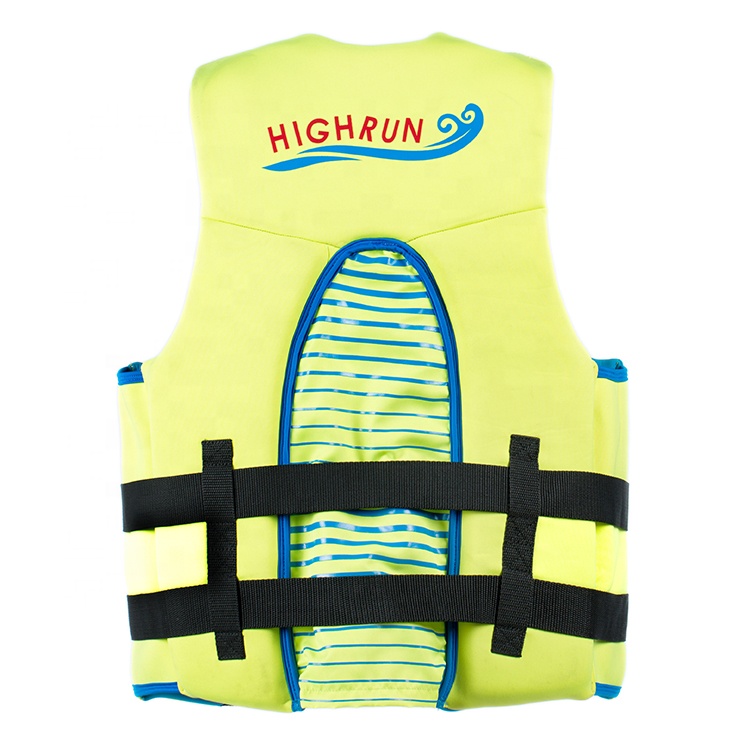
We must evaluate how these devices perform once you enter the water. Standard Type III foam jackets typically provide 15.5 to 22 pounds of buoyancy. This level comfortably supports an average adult in calm, inland waters. It keeps your chin above the surface.
Inflatable options deliver significantly higher lift. When fully deployed, they often exceed 33 to 40 pounds of buoyancy. This massive volume of air provides superior support.
You must also understand the righting moment. This term describes a jacket's ability to turn an unconscious wearer face-up. High-buoyancy inflatables generally excel here. They concentrate their inflated volume around your chest and neck. This strategic placement actively rotates your body. Standard low-profile foam jackets often lack the necessary targeted lift to force this rotation.
Buoyancy and Performance Summary Chart | ||
Feature | Standard Foam Jacket | Deployed Inflatable Vest |
|---|---|---|
Average Buoyancy | 15.5 - 22 lbs | 33 - 40+ lbs |
Righting Moment | Moderate (May not turn wearer) | High (Actively forces face-up position) |
Immediate Lift | Instantaneous | Requires 2-5 seconds to fill |
Physical footprint heavily influences wearer compliance. A Life Vest utilizing an inflatable mechanism sits perfectly flat against your chest. This low-profile design prevents any interference. You can execute wide paddling strokes freely. You can perform complex casting motions. You can also sit back comfortably in high-backed kayak seats.
Let us analyze thermal regulation. Foam materials are heavily insulating. This characteristic acts as a massive pro in cold water environments. It helps preserve your core temperature. Conversely, this insulation becomes a severe con during intense summer heat. You will sweat heavily. Inflatables offer a minimal footprint. They allow maximum airflow across your torso.
You must recognize the hidden maintenance demands of inflatable gear. They require strict, recurring attention. You must perform annual visual inspections. You must conduct manual bladder inflation tests using the oral tube. You will face the recurring maintenance task of replacing expired bobbins. You must also replace any deployed CO2 cartridges immediately.
Foam jackets represent a "store and forget" reality. They demand very little attention. You only need to provide basic freshwater rinsing after saltwater exposure. You should also offer minimal UV protection during storage. This basic care easily maintains a decade-long lifespan.
Certain environments demand absolute, immediate reliability. You should select standard foam options for the following scenarios:
High-Impact Sports: Whitewater kayaking, wakeboarding, and personal watercraft (PWC) riding demand rugged gear. High-speed water impacts could prematurely deploy an automatic mechanism. Extreme forces might even rupture an inflated bladder. You need the durable shell of Life Jacket designs.
Non-Swimmers and Children: Regulatory bodies strictly prohibit inflatables for young users. The USCG forbids them for individuals under 16 years old. They also prohibit them for anyone weighing less than 80 pounds.
Cold Weather and Cold Water Conditions: You face severe hypothermia risks in cold climates. The thick thermal insulation of a foam vest serves as a crucial secondary survival mechanism.
Other activities prioritize continuous wear and maximum mobility. Consider inflatable options for these specific pursuits:
Kayak Fishing and Flatwater Paddling: Anglers need zero shoulder restriction. Complete shoulder clearance for repetitive casting remains mandatory. You also need perfect compatibility with ergonomic kayak seats.
Offshore Boating and Sailing: Rough open waters demand massive buoyancy. You need Type II or Type I equivalent lift. However, long voyages require comfortable continuous wear. Inflatables bridge this exact gap.
Hot Weather Cruising: Extreme heat causes fatigue. It tempts passengers to remove bulky gear. When the likelihood of users taking off a sweltering foam jacket outweighs the risk of mechanical failure, inflatables become the safer choice.
You must understand the legal nuances of marine safety gear. Many Type V inflatables carry a strict caveat. They only count toward your vessel's legal carriage requirement if the passenger is physically wearing them. You cannot simply stow them below deck. Conversely, marine law generally counts standard foam jackets as long as they remain readily accessible on board.
We must address the reality of mechanical failure. CO2 mechanisms can malfunction. Cylinders can slowly leak over time. Bobbins can expire. Users of inflatables must remain strong enough swimmers to tread water during a failure. You must be able to quickly locate the backup oral inflation tube. You must manually blow air into the bladder while fighting waves.
Common Mistake: Never test your oral inflation tube while the CO2 cartridge remains armed. Doing so can over-pressurize and burst the bladder if the cartridge accidentally triggers.
You will face a steep learning curve after deployment. Correctly folding an inflatable bladder requires patience. You must squeeze every ounce of air out first. You must follow the manufacturer's exact folding schematics. Improper repacking can pinch the bladder. This pinching will prevent proper inflation during your next emergency.
Compliance and Risk Matrix | ||
Factor | Standard Foam Jacket | Inflatable Vest |
|---|---|---|
USCG "Worn" Rule | Usually just needs to be accessible | Often MUST be worn to count |
Failure Risk | Near zero (Inherently buoyant) | Requires backup oral inflation |
Post-Use Action | Rinse and dry | Complex folding and rearming process |
You now understand the critical differences between these two essential safety tools. Choose foam options for their foolproof reliability. They dominate high-impact activities and demand incredibly low maintenance. Choose inflatable designs if limited mobility and severe heat reduction represent your primary barriers to wearing gear consistently.
Audit your primary water activity to determine your exact mobility needs.
Honestly assess the swimming ability of your primary passengers before buying mechanism-dependent gear.
Check your local USCG carriage requirements to ensure your selected type meets legal vessel standards.
Commit to a strict seasonal inspection schedule if you select an inflatable option.
A: Yes, you generally can. TSA guidelines permit up to two life vests with two spare CO2 cartridges per passenger. You can pack them in checked or carry-on bags. However, airline approval remains mandatory. Always notify your carrier beforehand. Foam options remain entirely restriction-free for air travel.
A: Foam options easily last ten years with basic care. You should replace them when the fabric rips or the foam feels brittle and compressed. Inflatable bladders also last roughly ten years. However, their internal bobbins expire every three years. Their CO2 cylinders require replacement if they show signs of corrosion or weight loss.
A: No. Safety standards explicitly warn against this. Non-swimmers often panic upon entering the water. This panic prevents them from finding the manual jerk-cord. It also prevents them from effectively using the backup oral inflation tube if the automatic mechanism fails.
A: It depends on the trigger type. Standard water-activated bobbins can accidentally trigger in heavy, continuous ocean spray or torrential rain. Hydrostatic mechanisms prevent this issue entirely. They rely on water pressure and only deploy when submerged several inches below the surface.


