
- All
- Product Name
- Product Keyword
- Product Model
- Product Summary
- Product Description
- Multi Field Search
Views: 0 Author: Site Editor Publish Time: 2026-08-31 Origin: Site


The plus-size active-swimwear market is expanding rapidly. Consumer expectations have evolved far beyond basic coverage. Today's buyers demand high-performance functionality. They expect robust structural support. They also look for inclusive grading in every garment. Many apparel brands struggle to source reliable production partners. Simply grading up straight-size patterns always results in poor fit. Lacking specialized construction techniques leads directly to product failure. You will likely see severe chafing. Rolled hems become a daily frustration for users. Degraded elasticity ruins the garment quickly. This guide provides a definitive evaluation framework for vetting a Rash Guard manufacturer. We ensure they possess the technical capabilities required for specialized plus-size construction. You will learn how to assess seam integrity thoroughly. We will cover advanced tummy control evaluation. You will also discover how to verify factory infrastructure to secure your production line.
True plus-size rash guards require specialized pattern grading, not just scaled-up straight sizes.
Flatlock seaming is non-negotiable for preventing chafing ("chub rub") in high-friction aquatic environments.
Authentic tummy control relies on integrated power-mesh linings and strategic ruching, not merely tighter exterior fabrics.
Vetting a Rash Guard manufacturer requires auditing their prototyping capabilities, fabric sourcing (UPF 50+), and quality control consistency.
Plus-size consumers frequently cite specific frustrations in waterwear. Chafing stands out as a primary issue. They also struggle heavily to find adequate bust support. Rolling hems ruin the active experience. You must address these consumer pain points directly. Brands cannot afford to ignore these functional requirements. Standard swimwear often fails to provide necessary coverage during high-motion activities. Active aquatic environments demand rigorous garment engineering.
Many factories rely heavily on the scale-up fallacy. They merely increase dimensions from standard straight sizes. This lazy approach fails completely. It does not account for different weight distributions. It ignores shifting mobility needs in larger bodies. A size 3X body carries weight differently than a size medium. Armhole depths must adapt correctly. Waist-to-hip ratios shift significantly. Factories must utilize dedicated plus-size grading blocks. They cannot simply add inches to a base pattern.
Brands must establish strict success criteria for their product lines. Minimizing return rates is your ultimate priority. You build deep brand loyalty by delivering true-to-size consistency. Buyers appreciate garments fitting exactly as expected. Functional performance matters most in activewear. You must deliver compression without causing restriction. Users want to feel secure. They do not want to feel suffocated. A well-constructed garment achieves this delicate balance perfectly.
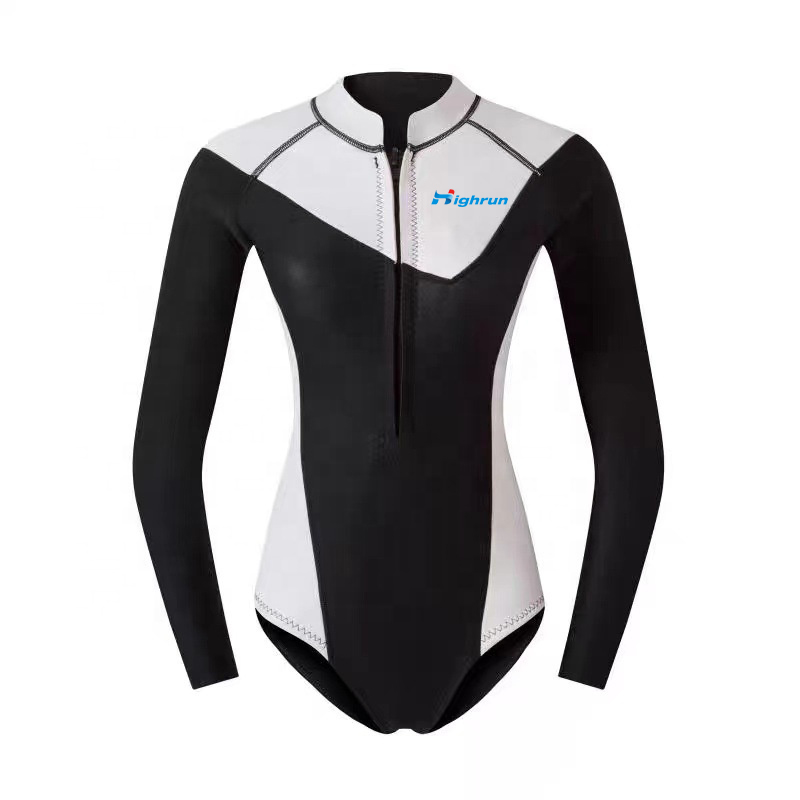
Flatlock stitching forms the foundation of quality activewear. This mechanism overlaps two pieces of fabric precisely. It creates a highly durable seam. The interior has no raw edges. It eliminates bulk entirely on the inside. Traditional overlock seams create raised ridges. These ridges rub against sensitive skin. In high-friction aquatic environments, this causes painful chafing. Plus-size bodies experience more skin-on-skin friction naturally. Flatlock engineering solves this problem effectively.
You need a strict evaluation metric for prospective partners. Assess the factory machinery closely during your vetting process. You must require 4-needle 6-thread machines specifically. This equipment creates the necessary flatlock structure. Check their standard stitch density carefully. Low stitch density compromises overall durability. The seam will pop under heavy stretching. High-stretch waterwear demands high stitch density to survive.
Evaluating Seam Construction Methods
Seam Type | Machinery Required | Interior Profile | Chafing Risk | Stretch Capacity |
|---|---|---|---|---|
Standard Overlock | 3-thread or 4-thread serger | Raised, bulky ridge | High risk | Moderate |
Flatlock | 4-needle 6-thread machine | Completely flat | Zero to minimal | Maximum stretch |
Authentic tummy control requires complex internal architecture. Look for manufacturers capable of complex structural integration. They must install internal 360-degree power-mesh linings. Power-mesh provides firm holding power. It remains highly breathable in water. This secondary lining sits beneath the exterior shell. It smooths the silhouette naturally. It offers secure core support during movement. Cheap alternatives just use thick exterior fabrics. This creates a restrictive, uncomfortable Rash Guard.
Evaluate specific design considerations closely. Factory technicians must execute strategic exterior ruching flawlessly. Ruching involves gathering fabric elegantly across the midsection. This technique conceals the internal mesh structure. It provides visual flattery without sacrificing function. Check their reinforced zipper placements thoroughly. Front zips are highly popular in plus-size swimwear. Ask for locking zippers specifically. Zippers must feature soft inner plackets. These plackets prevent painful skin pinching during active wear.
Material specifications dictate product lifespan. Require high-elastane blends immediately. Spandex or Lycra must constitute a significant percentage. Aim for 18 to 20 percent elastane content. This guarantees excellent shape retention. Water-logged garments become heavy. Weak fabrics will sag instantly. You must demand proven resistance to chlorine. Saltwater degrades basic textiles quickly. Premium sourcing prevents premature fiber breakdown.
Compliance is a critical safety factor. Demand verifiable testing certifications constantly. Do not accept verbal UPF 50+ claims. Factories must provide standardized laboratory reports. The AATCC 183 standard verifies UV transmission through fabrics. Wet fabrics often lose their protective qualities. The textile must maintain its UPF rating while fully submerged. Your partner must understand these rigorous testing protocols.
Prototyping reveals a manufacturer's true competence. A capable partner should accurately interpret detailed tech packs. Tech packs serve as your blueprint. Complex grading requires extreme precision. Require a pre-production sample immediately. This PPS must nail the exact grading required. Test it across sizes XL through 4X. Fit models should wear these samples actively. Pay attention to armhole depth scaling. Bust dart positioning must shift appropriately.
Batch consistency protects your brand reputation. A factory must ensure structural integrity across large runs. One perfect sample means nothing. Ten thousand perfect units mean everything. Ask about their inline inspection protocols. Quality control inspectors should check garments during assembly. They should not wait until final packing. Finding an error early saves time and money. Best practices dictate a strict Acceptable Quality Limit standard. You should require at least an AQL 2.5 inspection rate.
Balancing scalability and flexibility requires careful negotiation. Minimum Order Quantities often present a hurdle. Plus-size ranges require multiple sizes. Multi-size run flexibility is crucial for inventory management. You do not want to overstock obscure sizes. Discuss how they handle graded size breakdowns. A good factory accommodates varying ratios easily. They will support your growth trajectory seamlessly.
Sourcing complex activewear involves numerous hidden dangers. We see brands make identical mistakes frequently. You must anticipate these risks proactively. Mitigation requires strict oversight during product development.
"False" Compression Substitution: Factories often substitute proper internal mesh structure. They use cheaper, restrictive elastic fabrics instead. This leads directly to severe consumer discomfort. The garment feels like a corset. High return rates follow immediately. You must verify the lining materials physically.
Thread Failure in High-Stress Areas: Thread choice matters immensely. Factories sometimes use standard polyester thread in flatlock seams. They do this to save pennies. Polyester thread lacks necessary elongation. It snaps when the garment stretches over the body. You must require high-stretch nylon thread specifically. It moves naturally under tension.
Timeline Delays from Raw Materials: Specialized plus-size components cause significant delays. Custom-dyed power mesh requires long lead times. Heavy-duty locking zippers are rarely kept in stock. Standard fabrics process much faster. You must plan your procurement cycles accordingly. Buffer your timeline by at least thirty days.
Always request a physical component breakdown. Inspect the thread spools yourself. Review the zipper supplier credentials. Small details determine the lifespan of the entire product. Overlooking a single trim element ruins an entire production run.
Selecting the final partner requires matching capabilities to your tech pack. You need a factory demonstrating immense technical expertise. Proven capability in handling complex activewear is mandatory. Multi-panel construction forms the basis of supportive waterwear. They must execute 4-needle 6-thread flatlock stitching perfectly. Dongguan Highrun Sports Goods Co.,Ltd shows consistent mastery of these specific construction techniques.
Material competence separates exceptional factories from average ones. Direct access to premium textiles is crucial. High-stretch, UV-resistant textiles are necessary for durable production. Excellent partners maintain strong relationships with top-tier textile mills. They source anti-chlorine spandex effortlessly. They procure certified UPF 50+ fabrics seamlessly. This eliminates middleman delays. It ensures raw material consistency across seasons.
Transparent prototyping builds immediate trust. Brand owners must verify plus-size grading physically. You need to test tummy control efficacy in real life. Seam durability must face aggressive stretch testing. A structured sampling process allows this verification. You evaluate these elements before committing to bulk manufacturing. Clear communication during this phase prevents costly errors later.
Sourcing a high-quality plus-size aquatic garment requires deep diligence. You must move past superficial aesthetic checks entirely. Demanding rigorous structural engineering protects your investment. Your consumers expect peak performance and comfort.
Prioritizing specialized capabilities mitigates major product failure risks. Flatlock seaming prevents painful friction. Proper mesh integration provides genuine support. Specialized grading ensures accurate fits across all bodies. Your brand reputation relies on these technical details.
Take action by formalizing your plus-size tech pack immediately. Detail every stitch requirement clearly. Specify power mesh locations precisely. Initiate the vetting process by requesting a technical sample. Demand exact adherence to your structural guidelines.
A: Yes, flatlock stitching requires specialized machinery and more thread. Tummy control necessitates secondary fabric layers like power mesh and complex assembly. However, these features justify a higher retail price point. They also drastically lower consumer return rates.
A: A blend of 80-82% Nylon or Polyester and 18-20% Spandex/Elastane is industry standard. Nylon offers a softer hand-feel. Polyester provides superior chlorine resistance and excellent colorfastness.
A: Always require a complete size run sample. Test both the smallest and largest sizes in your range. Physically verify that proportions, armhole depths, and compression panels scale correctly on fit models.
A: Factoring in raw material sourcing takes time. Custom-dyed mesh and UPF-rated fabrics extend timelines. Including prototyping and bulk production, standard lead times range from 60 to 90 days.


