
- All
- Product Name
- Product Keyword
- Product Model
- Product Summary
- Product Description
- Multi Field Search
Views: 0 Author: Site Editor Publish Time: 2026-05-01 Origin: Site


Whether you’re an avid boater, a water sports enthusiast, or someone who enjoys a leisurely day at the lake, safety on the water is a top priority. One of the most important pieces of equipment to ensure safety is an adult life vest. A high-quality life vest can make all the difference in preventing accidents and providing security when enjoying water activities.
An adult life vest is a flotation device designed to keep a person afloat in water. These vests are typically made of buoyant materials like foam or inflatable chambers, which provide the necessary flotation to help keep a person’s head above water. Unlike a life jacket, which is worn over the head, a life vest is worn over the torso and fastened with straps or zippers, making it a more comfortable option for a wide range of activities, from boating to kayaking.
Life vests are an essential safety tool for any water-related activity, helping to prevent drowning and offering peace of mind for both participants and their families.
Whether you're involved in water sports, fishing, or simply cruising on a boat, an adult life vest serves several important purposes:
Buoyancy: The main purpose of a life vest is to keep you afloat in water, reducing the risk of drowning.
Emergency Support: In case of an accident, such as a boat capsizing or an unexpected fall into the water, a life vest provides immediate flotation and helps you stay calm.
Comfort and Freedom: Modern life vests are designed to be lightweight and comfortable, providing better mobility than older, bulkier designs.
Legal Requirement: In many countries, wearing a life vest is mandatory while engaging in certain water activities, especially on boats.
Given the vital role a life vest plays, it’s crucial to invest in a well-designed, high-quality one.
When it comes to choosing the right adult life vest, understanding the different types of life vests available will help you make an informed decision. Below are the most common types of adult life vests:
Type I life vests are designed for rough waters, open water activities, and emergency situations. These vests are equipped to keep the wearer afloat and can support a person even when they are unconscious. They provide the most buoyancy and are typically worn during offshore boating or in hazardous environments where rescue may take longer.
Best for: Offshore boating, open water activities, and areas with rough water.
Features: Maximum buoyancy, typically bulky and less comfortable for prolonged wear, but highly effective for safety.
Type II life vests are designed for calmer waters and near shore activities. These vests offer adequate buoyancy for most recreational boating, kayaking, or fishing trips in areas that are close to land.
Best for: Boating, kayaking, and other water activities in calm, near-shore waters.
Features: Provides good flotation and comfort but is less buoyant than Type I. Ideal for short periods in the water.
Type III life vests are comfortable and versatile, designed for activities where you may be in the water for longer periods. These vests are lighter and more breathable, offering mobility and comfort for activities like fishing, water skiing, or paddleboarding.
Best for: Fishing, water sports, paddleboarding, and recreational boating.
Features: Offers good flotation, comfortable for extended wear, and allows for easy movement, but may not provide the same level of safety in rough conditions as Type I and II.
Type IV life vests are throwable flotation devices, such as cushions or rings, rather than wearable vests. These are used in emergency situations where you need to throw a flotation device to someone in distress.
Best for: Emergency situations, such as when someone falls overboard.
Features: Not wearable, but easy to throw and highly effective for rescue operations.
Type V life vests are designed for specific activities, such as water skiing, windsurfing, or whitewater rafting. These vests may have extra features like high visibility, pockets, or extra straps, depending on the activity.
Best for: Specific activities like water skiing, windsurfing, or rafting.
Features: Typically comfortable and activity-specific, but only effective when used for their designated purposes.
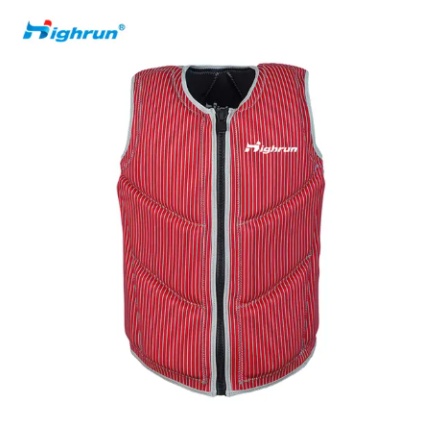
Choosing the right adult life vest involves considering several important factors to ensure safety, comfort, and functionality. Here are some key considerations:
A life vest that doesn’t fit well can be uncomfortable and may not function properly. It’s essential to select a vest that fits snugly but allows for freedom of movement. Most life vests come with adjustable straps, which allow you to customize the fit. Make sure to try on the vest and check for the following:
Snugness: The vest should be tight enough to keep you afloat without being restrictive.
Mobility: Ensure you can move your arms and body freely, especially for water activities that require paddling or rowing.
Sizing: Ensure the life vest fits your body size, whether you’re choosing a small, medium, large, or extra-large size. Many life vests have weight-based sizing charts.
The buoyancy of a life vest is directly related to how well it will keep you afloat in the water. If you’re engaging in activities in rough waters or offshore areas, you’ll need a life vest with more buoyancy. For calmer waters or short water exposures, a vest with less buoyancy may be sufficient. Type I life vests offer the highest buoyancy, while Type III provides adequate support in calmer conditions.
When buying a life vest, consider the materials used in its construction. High-quality materials are essential for ensuring the vest holds up over time and can withstand exposure to saltwater, sun, and rough handling. Look for life vests made from durable, UV-resistant fabrics like polyester or nylon. Some life vests may also feature a PVC coating for enhanced waterproofing and durability.
Different activities require different types of life vests. For instance:
Fishing: A Type III life vest is comfortable and provides freedom of movement.
Boating or Sailing: A Type I or II life vest may be more appropriate, depending on whether you’re in offshore or nearshore waters.
Water Sports: Type III life vests are ideal for activities like water skiing, wakeboarding, or paddleboarding, as they allow for better mobility.
Some life vests come with added features for specific needs:
Pockets: For storing small items like keys, phones, or fishing gear.
Reflective Strips: For added visibility in low-light conditions.
Whistle: A small safety whistle attached to the vest can be an excellent emergency tool.
Inflatable Vests: Some life vests come with inflatable options that offer compactness and increased buoyancy when needed.
Choosing the best adult life vest is critical for ensuring safety and comfort while engaging in water activities. Whether you're kayaking, fishing, boating, or enjoying water sports, the right life vest can make a significant difference in your safety. Make sure to choose a life vest that fits well, provides adequate buoyancy, and suits your specific activities. With the right equipment, you can confidently enjoy your time on the water while keeping safety a top priority.
At Dongguan Highrun Sports Goods Co., Ltd., we offer a wide range of high-quality adult life vests designed to meet the needs of water sports enthusiasts and outdoor adventurers. Our vests are made from durable, comfortable, and high-performance materials to ensure maximum safety. If you’re looking for reliable and well-crafted life vests, feel free to contact us today for more information about our products and how they can enhance your water adventures.
What is the difference between Type I, II, and III life vests?
Type I life vests are designed for offshore and rough waters, offering the most buoyancy. Type II is for nearshore use, and Type III is ideal for calmer waters and activities like kayaking or water sports.
How do I ensure a proper fit for my adult life vest?
Try on the life vest and adjust the straps for a snug fit. It should be tight enough to keep you afloat but not restrictive. You should also have full range of motion, especially in your arms.
Are inflatable life vests safe?
Yes, inflatable life vests are safe, but they should only be used when appropriate for the activity. They provide compactness and extra buoyancy when inflated, making them ideal for leisure boating and non-demanding activities.
Can I use a life vest for water sports?
Yes, Type III life vests are perfect for water sports as they offer comfort, mobility, and adequate buoyancy for activities like wakeboarding, water skiing, and paddleboarding.
How long do adult life vests last?
The lifespan of a life vest depends on the materials used and the care it receives. Generally, life vests last between 3 to 5 years, but it’s important to inspect them regularly for signs of wear and tear.
Do life vests come in different colors?
Yes, life vests are available in a variety of colors, with bright and fluorescent colors often chosen for better visibility on the water, especially in emergency situations.


