
- All
- Product Name
- Product Keyword
- Product Model
- Product Summary
- Product Description
- Multi Field Search
Views: 0 Author: Site Editor Publish Time: 2026-06-23 Origin: Site


Securing the right fit for a young swimmer is a non-negotiable safety requirement. Yet, it remains one of the most confusing purchases for parents and boaters preparing for the water. You want total peace of mind when your family steps onto a boat or a dock. Guessing the right size simply is not an option when water safety is at stake.
Unlike everyday clothing, personal flotation devices (PFDs) do not rely on a child's age or developmental stage. Choosing the wrong size fundamentally compromises the device's buoyancy. Buying a larger option for a child to "grow into" is a highly dangerous practice. A loose vest acts as a hazard rather than a safeguard, often obstructing breathing or slipping off entirely.
This guide provides an evidence-based framework for evaluating, sizing, and verifying your gear. You will learn how to ensure full compliance with U.S. Coast Guard (USCG) standards. Follow these steps to guarantee reliable performance on the water, keeping everyone secure during your adventures.
Weight overrides age: USCG-approved sizing is strictly categorized by weight (Infant, Child, and Youth), with chest measurements acting as a secondary fit verification.
Never size up: A Life Jacket that is too large will ride up around the child's face or slip off entirely upon water impact.
Mandatory fit testing: Relying on the label is insufficient; the "pull-up test" is a mandatory evaluation step before committing to a purchase.
Feature-to-weight alignment: Essential safety features like head support collars and crotch straps are required for lower weight classes but phase out for youth sizes.
Parents often search for a vest based on their child's age. This approach is highly unreliable. Children of the exact same age vary drastically in body mass, height, and chest circumference. A five-year-old might weigh 35 pounds, while another weighs 50 pounds. Clothing manufacturers use age as a loose baseline for fabric cut. Personal flotation device manufacturers cannot take this risk. If you select a Children’s Life Jacket solely by age, you risk severe safety failures. The device might lack the necessary foam volume to keep the child afloat.
Understanding how a flotation device works helps clarify the weight rule. PFD manufacturers calculate buoyancy strictly based on body mass and water displacement. The foam panels inside the vest provide a specific amount of upward force. This force counters the downward pull of gravity. If the wearer is too heavy, the upward force fails. The wearer sinks lower into the water. If the wearer is too light for the vest, the device floats too high. This is why exact weight serves as the primary purchasing criterion. The foam density correlates directly to the pounds it must support in turbulent water.
Consumers often try to extend product lifespan by buying a larger size. We understand clothing gets expensive. However, applying this logic to safety gear invites disaster. When a child wears an oversized vest, mechanical failures occur upon water entry. The device aggressively rides up the torso. The bulky shoulder panels block the airway. The collar pushes against the chin and ears. In severe cases, the child slips straight out through the bottom. An oversized vest also fails to self-right an unconscious wearer. A proper fit ensures the device hugs the ribcage and stabilizes the body core.
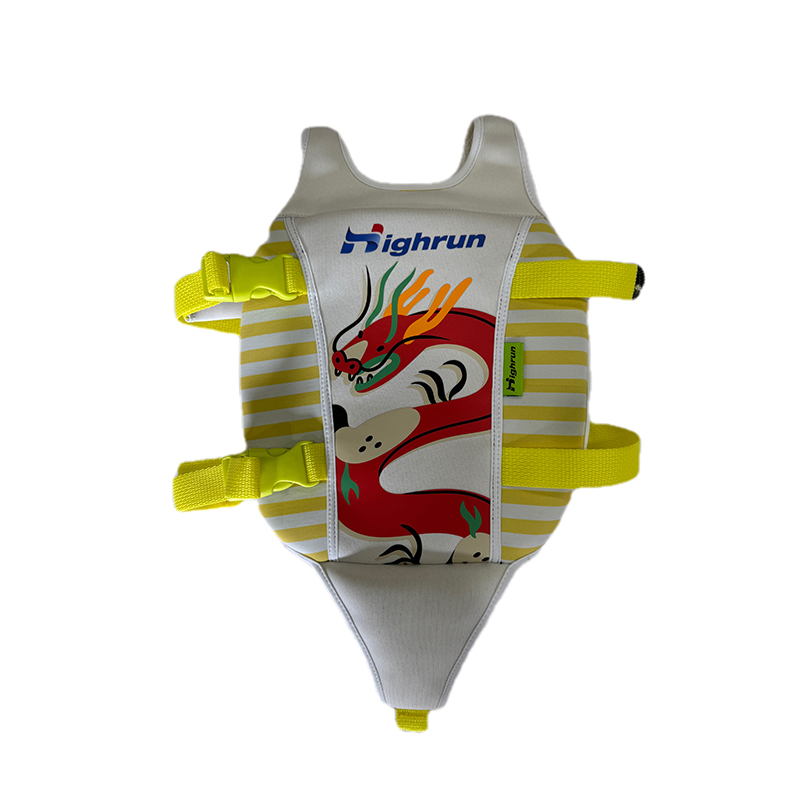
The U.S. Coast Guard simplifies selection by dividing children into three strict weight classes. We have provided a detailed mapping of these categories below. This table helps you quickly identify the proper weight range and the standard features required for each group.
Category | Weight Range | Primary Function | Standard Safety Features |
|---|---|---|---|
Infant | Under 30 lbs | Turn wearer face-up | Neck pad, crotch strap, grab handle |
Child | 30 to 50 lbs | Balance mobility and security | Crotch strap, segmented foam |
Youth | 50 to 90 lbs | High mobility for water sports | Adjustable side straps, no crotch strap |
This category protects the smallest and most vulnerable passengers. The primary function of an infant vest is turning a wearer face-up. Babies cannot control their head movements well in water. Therefore, infant models feature a pronounced neck pad or head support collar. This collar acts as a pillow. It keeps the nose and mouth above the water line. You must also evaluate the crotch strap. This strap runs between the legs and fastens to the front. It prevents the vest from slipping over the baby's head. Finally, look for a sturdy grab handle loop on the collar. This loop allows adults to quickly lift the infant from the water.
Toddlers and young children fall into this middle tier. The design focus shifts slightly here. These vests balance mobility with high security. Children in this bracket are active. They jump, swim, and play near the shore. However, they still require heavy supervision. The crotch strap remains an essential feature here. Toddler torsos lack the prominent shoulders needed to keep a vest down. The crotch strap anchors the foam securely. You will notice the head collar is often smaller or completely absent in this class. The foam distribution allows for more arm movement while ensuring strong buoyancy.
Once a child exceeds 50 pounds, they graduate to the youth category. These vests closely resemble adult models. The primary function is high mobility for continuous wear and water sports. The crotch strap is eliminated in this tier. Older kids have broader shoulders and defined ribcages to hold the vest in place. Fit relies heavily on accurate chest sizing and adjustable side straps. You must tighten these straps properly to prevent ride-up. Finding the perfect Life Jacket for a youth means ensuring they can paddle, swim, and ski without foam restricting their arms.
A flotation device is only as good as its certification. Always look for the printed U.S. Coast Guard approval number on the interior label. Manufacturers print this information directly onto the fabric inside the back panel. Reject any product lacking this specific certification. Novelty pool toys and unapproved swim aids offer zero guaranteed protection. The USCG tests these devices rigorously for foam integrity, strap strength, and buoyancy performance. An approved label proves the gear will perform under emergency stress.
The USCG categorizes approved devices into "Types." You will primarily choose between Type II and Type III for young swimmers.
Type II (Near-Shore Buoyant Vests): These vests are better for infants and smaller children. They feature a classic U-shape design. Type II models offer a higher probability of turning an unconscious wearer face-up. They feel bulkier but provide maximum safety in calm, inland waters where rescue is fast.
Type III (Flotation Aids): These are designed for youth or strong swimmers engaging in watersports. Type III models feel much more comfortable for continuous wear. They feature segmented foam and deep armholes. However, they require the wearer to put themselves in a face-up position. They will not automatically turn an unconscious person over.
Federal standards dictate the manufacturing quality. However, local state laws dictate the mandatory wear ages. Most states require children under 13 to wear a USCG-approved vest at all times on a moving vessel. Some states lower this age to 10, while others apply it to kids under 16. Local marine patrol officers enforce these rules strictly. Always check the specific boating laws of the state you plan to visit. Having an approved vest onboard is not enough; the child must actively wear it to comply with these local regulations.
Selecting the correct weight category does not guarantee a correct fit. Human bodies vary greatly. Two children weighing 40 pounds might have completely different torso lengths and chest widths. Relying solely on the printed label is a common pitfall. You must validate the Children’s Life Jacket Size through physical testing. A physical evaluation proves how the device will behave when submerged in water. We call this critical evaluation the "pull-up test."
Perform this test in a dry environment before heading to the dock. Follow these sequential steps to ensure maximum safety.
Fasten everything: Zip the front zipper entirely. Buckle every plastic clip. Fasten the crotch strap securely if the model includes one.
Tighten from the bottom: Start adjusting the side straps at the waist. Work your way up to the chest. Tighten them to ensure a snug fit around the ribcage. The wearer should be able to breathe deeply, but the vest should not rotate.
Execute the test: Stand behind the child. Gently grasp the shoulder panels on both sides. Pull straight up firmly, simulating the upward force of water.
Pay close attention to where the vest travels during the pull-up test. If the shoulder panels hit the child’s chin or ears, the fit fails. It is either too loose or simply too large. You must tighten the straps further or switch to a different model. If the vest stays snug against the shoulders and chest without shifting upward, the fit is correct. The child should feel secure without experiencing painful pinching. Always repeat this test at the start of every boating season. Children grow rapidly, and last year's snug fit might become this year's hazard.
Once you secure the correct size and USCG rating, material becomes the next big choice. Manufacturers primarily use two distinct exterior materials. Each serves a different user environment.
Nylon Models: Nylon vests dominate the market. They are lightweight, highly adjustable, and generally less expensive. The thin exterior fabric dries very quickly in the sun. Nylon options work best for occasional boating, fishing trips, or general emergency use. They fit loosely until you cinch the straps down. However, wet nylon can occasionally chafe bare skin during prolonged swimming.
Neoprene (and BioLite) Models: These synthetic rubber materials offer a premium experience. Neoprene provides a significantly snugger fit. It features inherent stretch, molding directly to the body. This material feels much softer on bare skin, which actively prevents underarm chafing. Neoprene vests are the best choice for active watersports, tubing, wakeboarding, and all-day wear. They cost more but often solve complaints about discomfort.
Feature | Nylon | Neoprene / BioLite |
|---|---|---|
Weight | Very lightweight | Slightly heavier |
Stretch | None (relies on straps) | High stretch (molds to body) |
Comfort on bare skin | Moderate (can chafe) | Excellent (prevents chafing) |
Best Use Case | General boating, fishing | Watersports, all-day swimming |
Consider how the physical cut impacts a child's willingness to wear the jacket consistently. Deep armhole cutouts increase mobility for paddling and swimming. Segmented foam panels bend with the torso, allowing kids to sit comfortably. If a vest feels rigid and restrictive, children will fight wearing it. Investing in a highly mobile, comfortable design ensures compliance. A secure vest only works if the child keeps it properly buckled all day.
Choosing the right flotation gear requires precision and patience. Start the process by determining the child's exact current weight. Select a USCG-approved model that strictly matches that weight tier. Next, choose between a Type II or Type III design based on the child's swimming ability and planned activities. Finally, validate the safety gear using the physical pull-up test to ensure it stays anchored below the chin.
Never prioritize future growth over immediate safety. Your next step is straightforward. Measure your child's current weight and chest circumference today. Do this before proceeding to a retailer or checking out online. Having these exact numbers ready guarantees you will bring home a reliable, life-saving device.
A: Yes. When a child exceeds the youth 90 lb weight limit, they enter a transition phase. They can safely wear an adult extra-small or small vest. You must verify their chest measurements align with the adult sizing chart. Perform the pull-up test to ensure the adult armholes are not too loose.
A: They do not have a strict printed expiration date. However, the interior foam degrades over time due to UV exposure and salt water. If the material feels waterlogged, shrunk, or brittle, you must replace it immediately. Always inspect the straps and buckles for fraying before each boating season.
A: This indicates improper sizing or inadequate tightening. The vest is either designed for a heavier weight class or the side straps are too loose. If the vest belongs to the infant or child class, you likely forgot to secure the crotch strap, which is designed to prevent this exact issue.
A: Some are, but many are not. You must practice strict label checking. Authentic, approved puddle jumper designs usually carry a USCG Type III certification. Unapproved inflatable armbands or pool toys offer zero reliable buoyancy and are dangerous for open water. Always check the inside fabric for the official USCG approval text.


